Opening a Medical Clinic: The Ultimate Compliance & Setup Guide
Julian Vance
Chief Architect & Systems Engineer
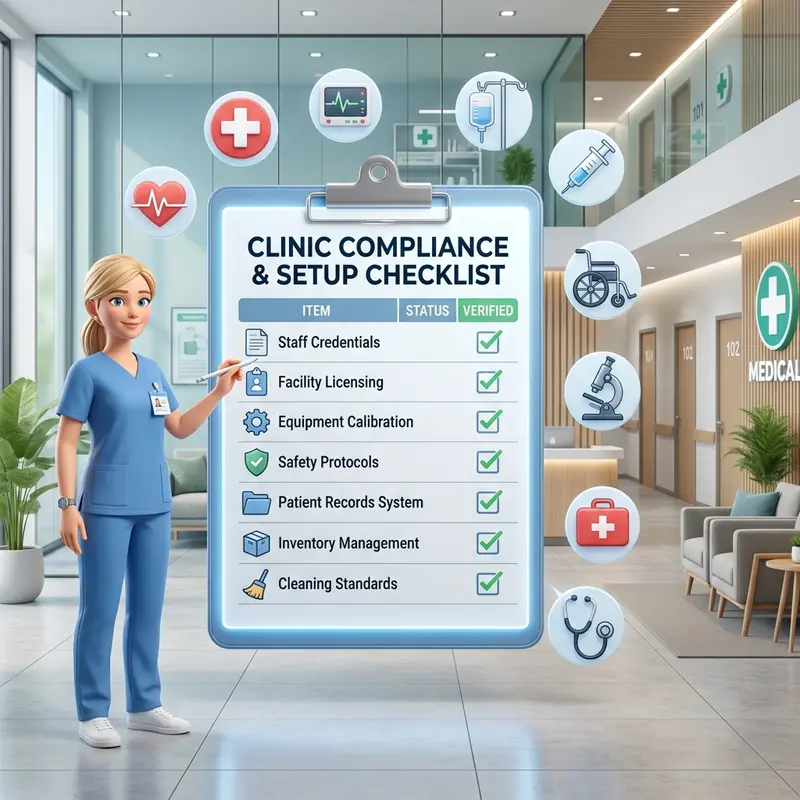
Launching a new private medical clinic is a rewarding venture, but it comes with a mountain of regulatory compliance and operational requirements. Unlike a standard retail storefront or office, a medical clinic deals directly with public safety, hazardous waste disposal, patient data privacy, and strict professional licensing. Rushing the planning phase without a clear compliance roadmap can lead to costly delays, licensing rejections, or legal issues.
Key Milestones in Clinic Setup
To ensure you cover all bases during the launch, break down your setup into primary milestones. Use this checklist grid as your master project outline.
| Phase | Milestone | Core Objective |
|---|---|---|
| Phase 1 | Legal & Business Setup | Establish the legal entity, secure zoning approvals, and apply for tax registrations. |
| Phase 2 | Licensing & Credentials | Obtain medical board approvals, facility licenses, and practitioner credentials. |
| Phase 3 | Facility & Equipment | Design clinic layout for patient flow; procure and calibrate medical devices. |
| Phase 4 | Operations & Policies | Deploy EHR/EMR systems, outline staff SOPs, and setup waste disposal. |
Step-by-Step Clinic Launch Checklist
1. Zoning & Location Approval
Before buying or leasing a commercial space, confirm that it is zoned for medical use.
- Verify that the building complies with healthcare accessibility standards (ADA regulations, elevator sizing, ramps).
- Ensure the layout accommodates separate waiting areas, consultation rooms, sterile storage, and staff breakout rooms.
- Confirm the presence of adequate electrical supply with back-up generator connections to power critical storage refrigerators.
2. Medical Licensing and Credentials
A clinic cannot operate without formal medical board authorizations.
- Register the clinic with the national or local Ministry of Health/Medical Council.
- Obtain a Facility License certifying that the physical site meets clinical standards.
- Secure credentialing with private insurance providers and public health schemes so patients can utilize their benefits at your practice.
3. Equipment Procurement and Calibration
Every medical device must be certified, clean, and calibrated.
- Procure diagnostic and therapeutic tools (ECG machines, ultrasound systems, autoclaves).
- Keep a central registry of calibration certificates; municipal health inspectors will ask to see these.
- Create separate temperature logs for vaccine and medicine storage refrigerators.
4. Healthcare Waste & Patient Privacy
Clinical operations generate hazardous materials and sensitive electronic records.
- Sign a formal agreement with a certified biohazard waste disposal service.
- Train all employees on HIPAA (or equivalent local national data protection acts) for handling Patient Health Information (PHI).
- Deploy a secure Electronic Health Record (EHR) database with multi-factor login protection.
📥 Free Template Download
Get organized from day one. Download our comprehensive Checklist for Opening a Clinic.
- Includes: Step-by-step regulatory checkpoints, licensing guides, and equipment logs.
- Format: Editable checklist ready for immediate export.
Critical Operational Pitfalls
- Pitfall - Neglecting Waste Disposal Agreements: Municipalities can shut down a facility immediately if proper biomedical waste disposal agreements are not active prior to patient treatments.
- Pitfall - Poor Patient Privacy Training: Administrative staff are the most common source of data leaks. Implement mandatory HIPAA/privacy training before launch.
- Pitfall - Underestimating Launch Timelines: Credentialing and licensing can take anywhere from 3 to 6 months. Do not sign a lease expecting to open in 30 days.
About the Author
Julian Vance is a systems architect and process engineering expert specialized in developing elite Standard Operating Procedures (SOPs) and fail-safe checklists.